
IVF Nutrition and Lifestyle Preparation Guide: Improve Egg Quality and Success Rates
A science-backed guide to the 3-month pre-IVF preparation window — covering diet, supplements (CoQ10, vitamin D, omega-3), lifestyle adjustments, and what to avoid to optimize egg quality and implantation success.
IVF Nutrition and Lifestyle Preparation Guide: Improve Egg Quality and Success Rates
"Doctor, what else can I do to improve my IVF success rate?"
The answer goes far beyond "just relax." Clinical research confirms that the 3-month window before starting ovarian stimulation — which corresponds to the complete cycle of egg follicle development — is a critical period for improving egg quality, sperm DNA integrity, and uterine receptivity.
This guide provides a practical, evidence-based pre-IVF preparation plan for both partners.
Why 3 Months Before IVF Matters
The Egg Development Timeline
The egg retrieved during IVF didn't become "ready" overnight. Approximately 90 days before ovarian stimulation begins, a cohort of eggs enters the final rapid growth phase (from preantral to antral follicle stage). During this window:
- Mitochondrial function within the cell determines energy supply and egg quality
- Oxidative stress and nutritional status affect DNA integrity
- Micronutrient levels influence follicular fluid composition
Bottom line: Your nutrition and lifestyle choices in the 3 months before stimulation directly affect the quality of eggs that will be retrieved.
The Sperm Renewal Cycle
Male sperm take approximately 72-74 days from production to maturity. This means today's lifestyle choices affect sperm quality 2-3 months from now.
Female Nutrition Protocol
Core Dietary Principles
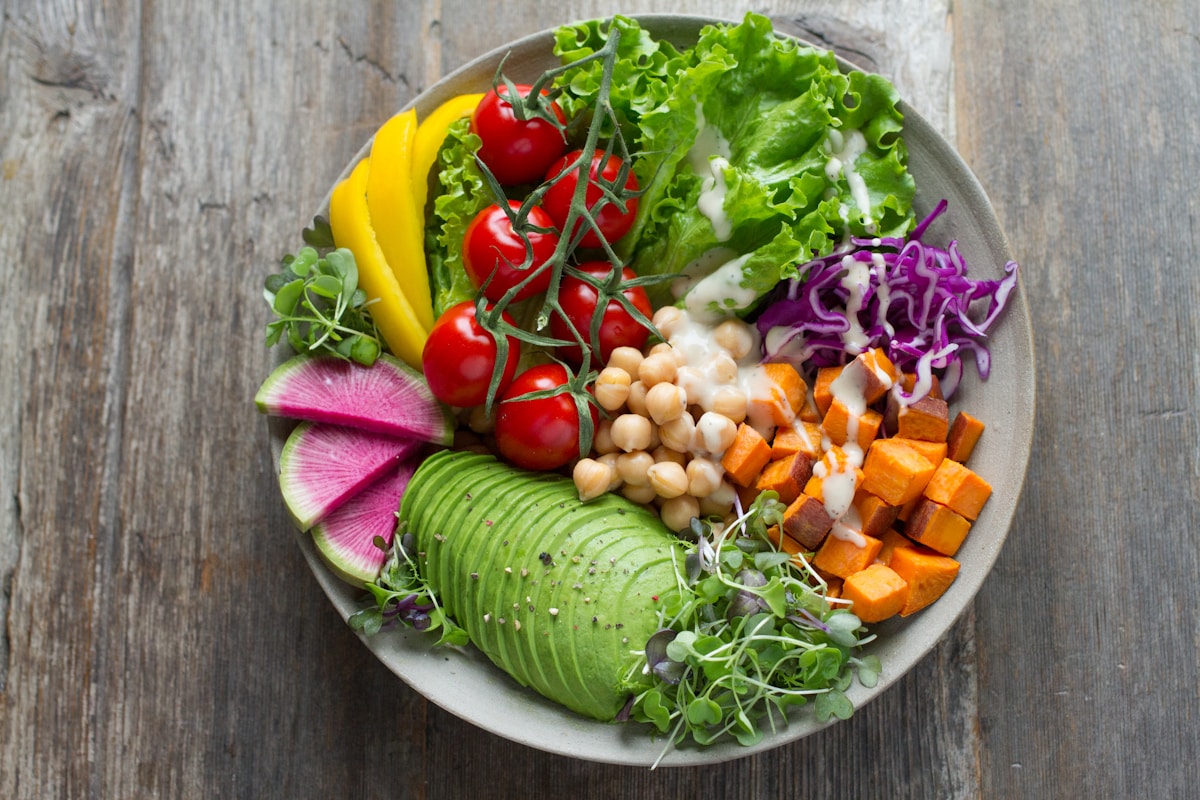
The Mediterranean diet has the strongest evidence base for fertility:
- Emphasizes vegetables, fruits, whole grains, legumes, fish, and olive oil
- Limits processed foods, red meat, and refined sugars
Studies show women closely following the Mediterranean diet have ~40% higher clinical pregnancy rates in IVF (published in Human Reproduction).
Priority Foods
| Food | Why | Recommendation |
|---|---|---|
| Dark leafy greens | Folate, iron, antioxidants | Spinach, kale, broccoli — 2 servings daily |
| Fatty fish | Omega-3 reduces inflammation, improves egg quality | Salmon, sardines, mackerel — 2-3x per week |
| Legumes | Plant protein, low glycemic index | Chickpeas, lentils, black beans — 4-5x per week |
| Walnuts/flaxseed | Plant-based omega-3 | Small handful daily |
| Whole grains | Blood sugar stability, B vitamins | Oats, brown rice instead of refined grains |
| Full-fat dairy | Associated with lower ovulation disorder risk | Full-fat yogurt and milk over low-fat |
| Colorful produce | Carotenoids, vitamins C/E | Tomatoes, carrots, blueberries, strawberries |
Foods to Reduce or Avoid
- Caffeine: Keep under 200mg/day (~1 cup of coffee); excess intake linked to reduced conception rates
- Alcohol: Eliminate completely at least 3 months before IVF; alcohol directly damages egg mitochondria
- Ultra-processed foods: Trans fats and high-fructose corn syrup are linked to poor ovarian response
- High-mercury fish: Large tuna, swordfish, tilefish — mercury accumulates in ovarian tissue
Female Supplement Protocol
The following supplements have meaningful clinical evidence; discuss dosages with your doctor:
Essential:
-
Folate (or methylfolate): 400-800mcg/day. Start 3 months before treatment. Women with MTHFR gene variants should use methylfolate.
-
Vitamin D: Many women are deficient (serum 25-OH vitamin D <30ng/mL), and deficiency is significantly associated with lower IVF pregnancy rates. Test first; supplement with 2,000-4,000 IU/day if deficient.
-
Coenzyme Q10 (CoQ10): Mitochondrial energy support — particularly important for women 35+ or with diminished ovarian reserve. Dose: 200-600mg/day (ubiquinol form has better bioavailability). Multiple studies show CoQ10 improves egg quality and oocyte yield.
-
Omega-3 fatty acids (EPA+DHA): 1,000-2,000mg/day. Reduces uterine endometrial inflammation and improves the implantation environment.
Consider based on individual assessment:
-
Inositol: Strongly recommended for PCOS patients. Myo-inositol 2,000mg + D-chiro-inositol 50mg (40:1 ratio) — improves insulin sensitivity and egg quality.
-
Melatonin: 3mg at bedtime. Reduces oxidative damage in follicular fluid; some studies suggest improved egg quality.
-
Iron: For women with iron-deficiency anemia — supplement under medical supervision.
-
Vitamin B6/B12: For women with elevated homocysteine — works with folate to reduce miscarriage risk.
Male Nutrition Protocol
Male preparation is often overlooked, yet sperm quality directly affects fertilization rates, embryo quality, and pregnancy outcomes.
Diet Priorities
- Antioxidant-rich foods: Tomatoes (lycopene), walnuts, blueberries, pomegranate juice
- Zinc and selenium: Oysters, pumpkin seeds, Brazil nuts (1-2 daily)
- Adequate protein: Supports sperm synthesis
- Limit soy isoflavones: High soy consumption may reduce sperm concentration
Male Supplement Protocol
| Supplement | Dose | Purpose |
|---|---|---|
| CoQ10 | 200-400mg/day | Improves sperm motility and DNA integrity |
| Vitamin C | 500-1,000mg/day | Antioxidant; reduces sperm DNA damage |
| Vitamin E | 400 IU/day | Synergizes with C; protects sperm membranes |
| Zinc | 25-30mg/day | Key trace element for sperm formation and motility |
| Folate | 400mcg/day | With zinc, improves sperm DNA integrity |
| Omega-3 (EPA+DHA) | 1,000-2,000mg/day | DHA content in sperm tails determines swimming ability |
| Selenium | 55-100mcg/day | Sperm morphology and motility |
Lifestyle Adjustments
Weight Management
BMI target: 18.5-24.9 kg/m²
- Overweight (BMI >25): Excess adipose tissue overproduces estrogen, disrupting HPO axis function, reducing stimulation response, increasing OHSS risk, lowering implantation rates
- Underweight (BMI <18.5): May suppress hypothalamic function, cause irregular cycles, reduce oocyte yield
- Each 5% reduction in excess body weight significantly improves stimulation response and pregnancy rates
Exercise Guidelines
Recommended:
- Moderate-intensity aerobic: 150 minutes per week (brisk walking, swimming, cycling)
- Yoga: Improves pelvic blood flow, reduces stress; research suggests possible IVF success rate benefit
Use caution or avoid:
- HIIT and heavy weightlifting: Pause during ovarian stimulation to reduce ovarian torsion risk
- Long-distance running, road cycling: High-intensity prolonged aerobic activity may suppress hypothalamic function and lower AMH
- Men: Avoid prolonged cycling (raises scrotal temperature), avoid hot tubs/saunas above 40°C
Sleep Optimization
7-9 hours of quality sleep nightly:
- Growth hormone and FSH are secreted during deep sleep
- Sleep deprivation raises cortisol, impairing stimulation response
- Maintain consistent sleep schedule; minimize blue light 2 hours before bed
Smoking Cessation
Smoking must be stopped at least 3 months before treatment. Effects are severe:
- Reduces oocyte yield by 15-35%
- Lowers implantation rates by ~50%
- Nearly doubles miscarriage risk
- Tobacco chemicals directly damage egg and sperm DNA
Stress Management
Chronic stress elevates cortisol, which suppresses LH secretion and follicle development. Strategies:
- Mindfulness meditation: 10-15 minutes daily; clinical studies confirm reduced anxiety and potentially improved IVF outcomes
- Acupuncture: Reduces anxiety and improves uterine blood flow (seek a practitioner experienced with IVF patients)
- Counseling: Emotional support during IVF is as important as physical preparation
Reducing Environmental Toxins
- Switch to BPA-free containers; avoid microwaving food in plastic
- Reduce pesticide exposure: choose organic produce or wash thoroughly
- Reduce frequency of hair dyeing and nail treatments (contain phthalates and toluene)
- Avoid pesticide exposure and dry cleaning chemicals where possible
3-Month Pre-IVF Action Plan
Month 1: Assessment and Baseline
- Complete full female fertility workup (AMH, hormones, antral follicle count ultrasound)
- Male semen analysis (consider DNA fragmentation test)
- Test serum vitamin D level
- Start folate/methylfolate
- Begin dietary record; eliminate alcohol and tobacco
Month 2: Full Supplement Protocol
- Add CoQ10, omega-3, vitamin D (based on test results)
- Partner starts complete supplement regimen
- Maintain Mediterranean diet consistently
- Establish regular sleep schedule and exercise routine
Month 3: Optimization and Planning
- Repeat semen analysis to assess improvement
- Consult with doctor to finalize stimulation protocol
- Arrange practical logistics: visa, accommodation, time off work
- Reduce work-related stress; prioritize rest
For the complete 3-month conditioning timeline, see: 3-Month Pre-IVF Body Conditioning Plan
For your Thailand travel preparation checklist, see: Thailand IVF Travel Packing Checklist
What Doesn't Work (Save Your Money)
- Unverified herbal protocols claiming to "boost eggs": Some herbs interact with stimulation medications; discontinue TCM during the IVF cycle unless your doctor approves
- Extreme crash dieting: Rapid weight loss increases cortisol and disrupts ovarian function; aim for gradual loss (no more than 0.5kg/week)
- Self-prescribed growth hormone or DHEA: These require medical evaluation before use; they're not universally beneficial and can cause harm without proper assessment
Summary
IVF success isn't determined solely by the clinic's technology — it also depends on the quality of the egg and sperm you bring to the table.
A systematic 3-month preparation period, grounded in evidence-based nutrition, targeted supplementation, and lifestyle optimization, is among the most impactful things both partners can do to maximize IVF outcomes.
If you're planning IVF treatment in Thailand, contact our fertility consultants for a personalized preparation plan and treatment coordination.

