
Thailand IVF Travel Packing Checklist: Everything You Need for Your Fertility Journey
Heading to Thailand for IVF? Don't let packing stress overshadow your treatment preparation. This comprehensive checklist covers all documents, medications, clothing, and comfort items — organized by travel phase.
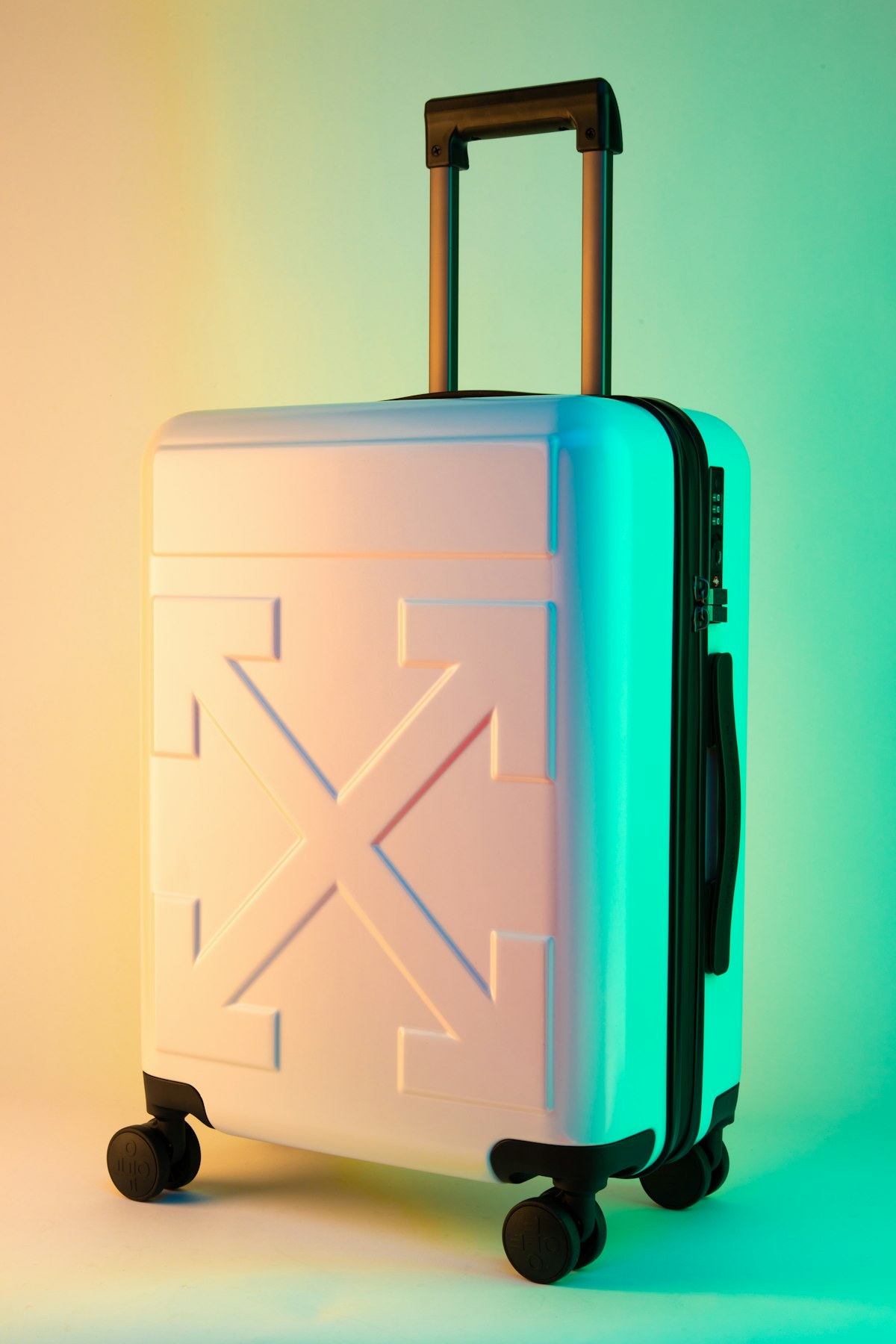
Thailand IVF Travel Packing Checklist 2026
First-time IVF patients traveling to Thailand often worry about forgetting something important. This checklist consolidates advice from dozens of fertility travelers — comprehensive, organized by category, and covering different trip phases.
Documents and Records (Most Critical)
Must Bring
Travel documents:
- Passport (valid for at least 6 months)
- Visa (if applicable — see Thailand Medical Visa Guide)
- Flight booking confirmation (digital OK)
- Hotel reservation confirmation
Medical records:
- All recent test results (hormone panel, AMH, ultrasound, semen analysis, genetic testing)
- Pelvic ultrasound report (within last 3 months)
- Infectious disease screening results (HIV, hepatitis B, syphilis, etc.)
- Previous IVF records if applicable (protocols used, number retrieved, embryo grades, transfer results)
- Thai hospital appointment confirmation letter
- Medical history summary (English summary strongly preferred)
Financial:
- International credit/debit card (Visa or Mastercard)
- Thai Baht cash (2,000-5,000 THB for small expenses)
- Emergency contact information
Tip: Scan all critical documents and save to cloud storage or your phone's photo album as backup.
Medications
Prescribed Medications (Bring Complete Supply)
If you've already started your protocol (e.g., long protocol down-regulation):
- GnRH-a injections with syringes
- Estrogen supplements (Estradiol tablets or patches)
- Progesterone supplements (capsules, suppositories)
- All prescription forms or package inserts (English versions preferred)
Over-the-Counter Backup Medications (Recommended)
Gastrointestinal:
- Probiotics (Thai cuisine may cause digestive adjustment)
- Anti-diarrheal medication (emergency use)
Cold/fever:
- Ibuprofen or acetaminophen (but follow doctor's guidance around retrieval/transfer days)
Other:
- Mosquito repellent with DEET (mosquitoes are common in Thailand)
- Adhesive bandages, antiseptic wipes
- SPF 50+ sunscreen
Clothing and Toiletries
Clothing Recommendations
Bangkok temperatures range from 28-35°C year-round with high humidity. Pack accordingly:
- Loose cotton trousers or skirts: 3-4 pairs (ultrasound monitoring requires easy access)
- Loose tops: 4-5 pieces
- Light cardigan or thin jacket: 1-2 (hospital and mall air conditioning can be cold)
- Flat, comfortable walking shoes (you may walk more than expected after retrieval)
- Slippers for hotel room
- Cotton underwear: sufficient quantity
Avoid: Tight jeans, one-piece outfits — difficult to remove for repeated ultrasound appointments.
Toiletries and Skincare
- Basic skincare (sunscreen essential)
- Makeup remover (no makeup on surgery days, but normal use otherwise)
- Lip balm (hospital air conditioning causes dryness)
- Feminine hygiene products (available in Thailand, but brands differ)
Electronics
- Phone charger + backup power bank (waiting times can be long)
- Thailand uses the same two-flat-pin outlets as China — no adapter needed
- Translation apps (Baidu Translate or Google Translate) for non-Mandarin staff
Comfort and Emotional Support Items (Highly Recommended by Experienced Patients)
- Travel pillow or pillowcase: Some patients are sensitive to hotel bedding
- Heating pad or disposable hand warmers: Abdominal warmth after transfer (especially in cold air-conditioned spaces)
- Books or tablet: Hospital monitoring days can involve 1-3 hours of waiting
- Familiar snacks from home: Comfort food for emotional stability during stressful days
- Small notebook: Record daily monitoring results and doctor instructions — useful for tracking patterns
What to Pack by Trip Phase
Initial Consultation Only (3-7 days)
Travel light: passport, test results, basic clothing changes. No need for extensive medications.
Full Stimulation + Retrieval Cycle (14-21 days)
Must bring:
- Complete medication supply (all injection protocols)
- Sufficient clothing
- Injection supplies (hospital usually provides, but bring backups)
Frozen Embryo Transfer Cycle (7-10 days)
- Estrogen and progesterone medications (for pre and post-transfer use)
- Comfortable, loose clothing
- Plan for 2-3 days of rest after transfer — bring entertainment
Long-Stay Surrogacy Monitoring
Arrange appropriate visa first: Thailand Medical Visa Guide. Bring more home comforts to reduce daily living costs during extended stays.
What You Can Buy Locally (Save Luggage Weight)
At Thai pharmacies (Boots, Watsons):
- Sunscreen
- Basic skincare
- Non-prescription medications
- Mineral water
At Bangkok supermarkets (Big C, Tops Market):
- Asian food products
- Fruit (plentiful and affordable)
- Daily necessities
Final Departure Checklist
Documents:
- Passport ✓
- Flight + hotel confirmations ✓
- All medical records (original + digital backup) ✓
- Thai hospital appointment confirmation ✓
Medications:
- All prescribed medications ✓
- OTC backup medications ✓
- Package inserts ✓
Clothing:
- Loose trousers/skirts ✓
- Light jacket ✓
- Comfortable flat shoes ✓
Electronics:
- Phone + charger ✓
- Power bank ✓
- Translation app installed ✓
Comfort items:
- Heat pack ✓
- Snacks ✓
- Entertainment ✓
- Thai Baht cash ✓
Before departure, review: 3-Month Pre-IVF Conditioning Plan to confirm all preparation milestones are complete.
Every patient's needs differ — adjust this list based on your specific treatment protocol and your doctor's guidance.


