
Thailand IVF Safety Standards: Medical Certification & Emergency Protocols
Key Takeaways: Thailand's top fertility hospitals hold JCI international accreditation, meeting medical standards comparable to Western countries. AddBaby carefully vets all partner hospitals to ensur...
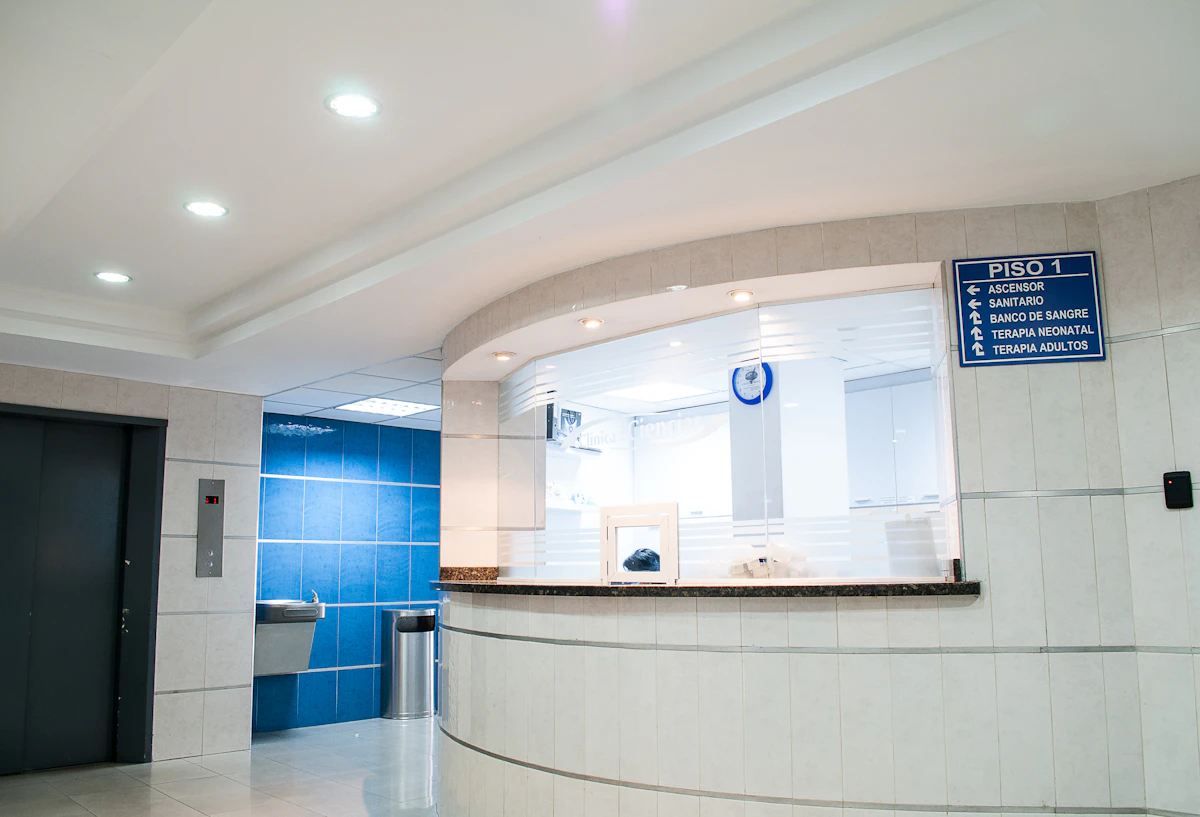
Key Takeaways: Thailand's top fertility hospitals hold JCI international accreditation, meeting medical standards comparable to Western countries. AddBaby carefully vets all partner hospitals to ensure every patient receives world-class safety standards and professional Chinese-language accompaniment throughout their treatment journey.
Quick Reference Guide
| Comparison Point | Thailand JCI-Accredited Hospital | China Grade-3A Hospital | Notes |
|---|---|---|---|
| International Certification | JCI / ISO 15189 | Grade-3A Review | JCI is the highest global medical accreditation |
| Lab Standards | ISO Class 8 Cleanroom | National Standard | Strict embryo culture environment control |
| Physician Credentials | EBCOG / Western Training | Domestic License | Most doctors have overseas training experience |
| Nurse-to-Patient Ratio | 1:4 or better | 1:8 or higher | More individualized care |
| Language Support | English/Thai/Chinese | Chinese only | Dedicated Chinese coordinators available |
| Emergency Response | 24-hour ICU support | 24-hour | Rapid complication management |
Part 1: Thailand's Medical Quality Certification System
When patients first consider traveling to Thailand for IVF, the most common question is: "Are Thai hospitals trustworthy?" The answer is yes — but only when choosing properly accredited institutions. Not all hospitals in Thailand operate at the same standard, just as hospitals in China are tiered between Grade-3A and lower classifications. Thailand has an equally clear quality stratification.
JCI Accreditation: The Gold Standard of International Healthcare
JCI (Joint Commission International) is the world's most recognized healthcare quality accreditation body, established as the international arm of The Joint Commission in the United States. As of 2025, only approximately 1,400 hospitals worldwide hold JCI accreditation. Thailand is one of the countries in Southeast Asia with the highest number of JCI-accredited hospitals, with over 60 facilities holding this status — including Bumrungrad International Hospital and multiple hospitals within the Bangkok Hospital Group.
JCI accreditation evaluates over 1,200 standards, including:
- International Patient Safety Goals: Covering patient identification, medication safety, surgical site verification, and other core safety processes
- Medical Staff Credentials Verification: Independent verification of every physician's and nurse's education, license, and training records
- Infection Prevention and Control: Cleanroom management for laboratories, operating rooms, and ICUs
- Quality Improvement and Patient Safety Culture: Hospitals must establish continuous improvement mechanisms, regularly reporting adverse events and conducting root cause analysis
- Emergency Management and Business Continuity: Ensuring patient safety during extreme scenarios such as natural disasters or power outages
JCI accreditation undergoes full re-evaluation every three years, with unannounced inspections in between. Any failed inspection can result in accreditation suspension. This means JCI certification cannot be "purchased" — it represents an ongoing commitment to maintained quality.
HA Accreditation and Thailand Ministry of Public Health Standards
Beyond JCI, Thailand has its own national hospital accreditation system — HA (Hospital Accreditation) — administered by the Healthcare Accreditation Institute (HACC). Standards align with international benchmarks while emphasizing localized medical culture and patient rights protection. Most top Thai fertility hospitals hold dual JCI and HA accreditation.
Thailand's Ministry of Public Health has also enacted specific legislation for Assisted Reproductive Technology (ART) facilities — the Assisted Reproductive Technology Act (2015) — which stipulates:
- ART facilities must obtain a specialized operating license from the Ministry of Public Health
- Complete medical records for each IVF cycle must be maintained for a minimum of 30 years
- Commercial surrogacy is prohibited (since 2015); only non-commercial surrogacy between relatives is permitted
- Strict limits on the number of embryos transferred (single embryo transfer recommended for patients under 35)
These regulations confirm that reproductive medicine in Thailand operates within a comprehensive regulatory framework — not a legal gray zone.
ISO 15189: Specialized Certification for Reproductive Laboratories
ISO 15189 is the International Organization for Standardization's quality and competence standard specifically for medical laboratories. It is particularly important for embryology laboratories within fertility centers. ISO 15189-certified laboratories must demonstrate: method reproducibility, regular equipment calibration, ongoing personnel training, and rigorous quality control procedures. All embryology laboratories at AddBaby's Thai partner clinics meet or exceed ISO 15189 requirements.
Part 2: Thailand's Reproductive Laboratory Technical Standards
If hospital accreditation represents the "software" of safety, then the hardware conditions of the embryology laboratory directly determine IVF success rates. Thailand's leading fertility centers invest in laboratory infrastructure at a level comparable to Europe's finest institutions.
ISO Class 8 Cleanroom Standards
Embryos are extraordinarily sensitive to their environment. Volatile organic compounds (VOCs), particulate matter, and temperature fluctuations in the air can all affect embryo development quality. The European Society of Human Reproduction and Embryology (ESHRE) recommends that embryo manipulation areas should achieve at least ISO Class 8 (100,000-class cleanroom), with no more than 3,520,000 particles of 0.5μm or larger per cubic meter of air.
Top Thai fertility hospitals typically achieve ISO Class 7 (10,000-class) or even ISO Class 5 (100-class) standards, equipped with:
- High-Efficiency Particulate Air (HEPA) Filtration: Removes 99.97% or more of airborne particles
- Activated Carbon Filters: Absorb VOCs, preventing organic solvent toxicity on embryos
- Temperature and Humidity Control Systems: Incubators maintained at 37°C plus or minus 0.1°C, CO2 concentration 5%~6%
- Positive Pressure Design: Prevents contaminated external air from entering the laboratory
- Uninterruptible Power Supply (UPS): Automatic switchover during power outages, ensuring continuous incubator operation
State-of-the-Art Laboratory Equipment
AddBaby's Thai partner clinics are equipped with advanced equipment, some of which is not yet widely available in China:
Embryoscope+ Time-Lapse Incubator: Continuously photographs embryo development every few minutes for 24 hours without removing embryos from the incubator. AI algorithms (KIDScore) score embryo developmental potential, elevating subjective morphological assessment to objective data-driven evaluation, reducing human intervention and improving selection accuracy.
Microfluidics Technology: Some cutting-edge institutions have introduced microfluidic platforms that simulate the fallopian tube physiological environment, providing conditions closer to in-vivo for sperm selection and early embryo culture.
Vitrification (Rapid Cryopreservation): Uses ultra-rapid freezing (cooling rate exceeding 20,000 degrees Celsius per minute) to "instantly freeze" embryos, preventing ice crystal formation that damages cells. Top Thai institutions achieve frozen-thawed embryo survival rates of 95% or higher.
Embryo Culture Media Quality Management: Uses globally leading brands (such as Vitrolife, Cook, Origio) for culture media, with strict management of batch numbers, storage conditions, and expiration dates, eliminating substandard consumables that could compromise embryo quality.
IVF Success Rate Reference Data
Based on statistical data from the Thai Society for Reproductive Technology (TSART) and clinical reports from AddBaby's partner hospitals:
| Age Group | Fresh Embryo Transfer Clinical Pregnancy Rate | Frozen Embryo Transfer Clinical Pregnancy Rate |
|---|---|---|
| Under 35 | 55%~65% | 50%~60% |
| 36~39 | 40%~50% | 38%~48% |
| 40~42 | 25%~35% | 22%~32% |
| 43 and above | 10%~20% | 8%~18% |
Note: These figures represent single transfer cycle data. Success rates are subject to significant individual variation and are provided for reference only.
It is worth noting that some domestic institutions inflate their success rates by including biochemical pregnancies (positive HCG blood test without confirmed heartbeat). Thailand's reputable institutions universally use "clinical pregnancy rate" (ultrasound-confirmed heartbeat) or "live birth rate" as their reporting standard, making their data more reliable.
Part 3: Safety Protocols and Emergency Response Mechanisms
IVF is a medical procedure that carries certain risks — this is an undeniable fact. However, the level of risk largely depends on the hospital's preventive measures and emergency response capabilities. Thailand's top fertility centers have established comprehensive protection systems.
Preventing OHSS (Ovarian Hyperstimulation Syndrome)
OHSS is the most common complication during IVF ovarian stimulation. Mild OHSS occurs in approximately 20%~30% of patients, while moderate to severe OHSS affects about 1%~5%. Symptoms include abdominal bloating, ascites, and breathing difficulties — potentially life-threatening in severe cases.
Prevention strategies at Thailand's reputable fertility centers include:
Risk Stratification Assessment: Before designing the stimulation protocol, high-risk patients are identified using AMH (Anti-Müllerian Hormone), AFC (Antral Follicle Count), and BMI measurements. More conservative starting doses are used for PCOS patients and those with AMH above 3.5 ng/mL.
Dynamic Monitoring During Stimulation: Vaginal ultrasound and blood estradiol (E2) tests every 2~3 days. If excessive follicle development (more than 15 follicles) or elevated E2 is detected, the protocol is immediately adjusted — dose reduction, protocol pause, or conversion to an antagonist protocol.
Trigger Medication Selection: Traditional hCG trigger is one of the primary causes of OHSS. High-risk patients are switched to GnRH agonist (Lupron) trigger, which can reduce severe OHSS risk by over 80%.
Freeze-All Strategy: For high-risk OHSS patients, fresh embryo transfer is avoided entirely. All embryos are cryopreserved and transferred in a subsequent frozen cycle after ovarian recovery, completely eliminating the risk of OHSS worsening during a fresh transfer cycle.
Post-Retrieval Observation: Patients are monitored in the recovery room for at least 2~4 hours after egg retrieval, with vital signs and abdominal symptoms tracked. Before discharge, medical staff provide OHSS symptom education and a 24-hour emergency contact number.
Egg Retrieval Surgical Safety
Egg retrieval is the invasive procedure in the IVF process, performed via transvaginal ultrasound-guided aspiration under anesthesia. Safety measures at Thailand's reputable institutions include:
- Anesthesia Assessment: Pre-operative independent evaluation by an anesthesiologist to rule out contraindications
- IV Anesthesia Monitoring: Propofol intravenous anesthesia administered under continuous anesthesiologist monitoring of heart rate, blood pressure, and oxygen saturation
- Sterile Technique: Single-use aspiration needles with strict aseptic protocols to prevent infection
- Bleeding Risk Management: Pre-operative ultrasound assessment of ovarian and surrounding vascular anatomy; post-operative ultrasound to check for intraabdominal bleeding
- Post-Procedure Pain Management: Standardized analgesia protocols to minimize patient discomfort
24-Hour Medical Support System
All hospitals partnered with AddBaby maintain comprehensive 24-hour support systems:
- Inpatient ICU: Patients experiencing severe OHSS, bleeding, or other complications can be immediately transferred to ICU for monitored treatment
- Multidisciplinary Consultation: Collaboration between reproductive medicine, gynecology, anesthesiology, and internal medicine departments to manage complex complications
- International Patient Coordination Center: Multilingual medical consultation available 24 hours a day, 7 days a week, assisting foreign patients with emergency situations
- Telemedicine Support: Some institutions have established remote consultation partnerships with top international hospitals, providing specialist opinions when needed
Part 4: How AddBaby Ensures Patient Safety
Choosing to travel to Thailand for IVF means facing the real challenges of language barriers, unfamiliar environments, and information asymmetry. AddBaby, as a professional medical tourism service provider, has built a comprehensive safety assurance system that gives patients the same security they would feel seeking treatment at home.
Hospital Selection Standards: Strict Partnership Criteria
AddBaby does not partner with all Thai hospitals. Each partnership is established only after rigorous on-site inspection and credential review:
Mandatory Admission Requirements:
- Must hold an ART specialized operating license issued by Thailand's Ministry of Public Health
- The reproductive medicine director must hold membership in the International Federation of Fertility Societies (IFFS) or European Society of Human Reproduction and Embryology (ESHRE) certification
- The laboratory must hold ISO 15189 certification or an equivalent accreditation
- The hospital as a whole must hold JCI or HA accreditation
Clinical Performance Review:
- Annual IVF cycle volume of at least 500 cases (ensuring adequate clinical experience accumulation)
- Live birth rate data must be independently verifiable; inflated data is not accepted
- Transparent complication management records; severe OHSS incidence rate below 1%
Service Capability Assessment:
- Dedicated Chinese-speaking coordinators capable of full-process communication in Mandarin
- Standardized procedures for receiving international patients
- Cooperation with reputable local hotels for convenient patient accommodation and recovery
Full-Accompaniment Service: From Arrival to Departure
AddBaby assigns a dedicated Chinese medical coordinator to each patient, providing seamless end-to-end accompaniment:
Pre-Treatment Phase:
- Remote medical record translation and preliminary assessment to help physicians understand patient background in advance
- Appointment scheduling, visa consultation, and itinerary planning
- Coordinated booking of hospital, hotel, and transportation arrangements
During Treatment:
- Airport pickup and full-process Chinese-language accompaniment
- On-site interpretation at every consultation to ensure accurate doctor-patient communication
- Medication procurement and injection technique guidance (for patients self-administering stimulation injections)
- Professional advice on daily diet and lifestyle adjustments during treatment
Emergency Situations:
- 24-hour emergency hotline with coordinators on standby
- Direct emergency channel established with the hospital; medical team immediately contacted in the event of any unexpected situation
- Family members kept promptly informed; necessary accompaniment personnel arranged
Post-Return Follow-Up:
- Interpretation of day-14 post-transfer blood HCG results
- Referral to domestic prenatal care hospital upon confirmed pregnancy
- Assistance navigating the complete domestic prenatal registration and check-up process
Transparent Pricing and Contractual Protection
Medical disputes often originate from information asymmetry. AddBaby adheres to transparent pricing principles:
- Written quotations itemize every cost (consultation fees, medication costs, surgical fees, laboratory fees, etc.) with no hidden charges
- Contracts clearly specify service scope, hospital name, and attending physician information
- No false promises of "100% success" — honest communication of realistic success rate ranges
- Multiple protection plans available (such as multi-cycle packages) to reduce patients' financial risk
Frequently Asked Questions (FAQ)
Q1: How risky is IVF surgery in Thailand?
IVF is generally a relatively safe medical procedure, but certain risks do exist:
- OHSS: Mild to moderate incidence approximately 20%~30%; severe below 1%. Scientific preventive measures can reduce this further.
- Egg Retrieval Complications: Infection rate below 0.1%; bleeding requiring intervention below 0.5% — extremely rare
- Anesthesia Risk: Same as other surgical procedures; extremely rare allergic reactions or airway issues, incidence approximately 1 in 10,000
- Multiple Pregnancy: Single embryo transfer reduces twin pregnancy rate to below 5%; recommended by Thailand's reputable institutions
Overall, IVF performed at a JCI-accredited institution carries safety standards comparable to — or exceeding — the global average for this type of procedure.
Q2: Are ovarian stimulation medications safe? Could they affect long-term health?
This is one of patients' most common concerns. Extensive long-term follow-up studies (with follow-up periods exceeding 20 years) currently show:
- Ovarian stimulation medications (gonadotropins) do not increase ovarian cancer risk — early concerns came from small sample studies; subsequent large prospective studies have not found significant correlation
- Ovarian stimulation does not deplete egg reserves prematurely — dozens of follicles begin developing each menstrual cycle, but typically only one matures and ovulates while the rest naturally undergo atresia. Stimulation only "rescues" follicles that would otherwise be lost, without additionally consuming egg reserves
- Hormone levels typically return to normal within 1~2 menstrual cycles after a stimulation cycle
Of course, stimulation medications have short-term side effects (injection site discomfort, mood fluctuations, bloating, etc.). Used under physician supervision, they are safe.
Q3: What happens if complications arise in Thailand?
This is the primary concern for all patients traveling abroad. AddBaby's response framework:
- Prevention First: Reduce complication probability through scientifically designed protocols
- On-Site Management: Partner hospitals have comprehensive complication management capabilities; mild to moderate OHSS can be treated outpatient, severe OHSS can receive inpatient treatment
- Emergency Contact: 24-hour Chinese-language hotline; coordinators immediately assist in communicating with the medical team
- Insurance Protection: Patients are advised to purchase travel insurance with medical emergency coverage, including hospitalization costs
- Referral When Necessary: In extreme circumstances, assistance arranging transfer to the highest-level local hospital or coordinating medical repatriation to China
In practice, less than 0.3% of AddBaby's patients have required hospitalization for complications, and no cases have required emergency medical repatriation.
Conclusion
Thailand's reproductive medicine is not simply a "budget version" of IVF — it represents high-standard medical care delivered within the framework of JCI international accreditation, advanced laboratory technology, and comprehensive emergency protocols. With the right hospital selection and professional medical tourism support, the safety of IVF treatment in Thailand is fully assured.
AddBaby has helped hundreds of Chinese families achieve their dream of parenthood in Thailand. Our partner hospitals have all undergone rigorous credential review, and our service team provides full Chinese-language accompaniment throughout the process. If you would like to learn about our Guaranteed Success Program (multi-cycle protection plans) or schedule a free Thailand IVF consultation, please contact our medical advisors.
Your safety is our highest priority.
This article has been reviewed by the AddBaby Reproductive Medical Group medical team. Last updated: February 2026


